Introduction to CBD and the Question of Retention
Cannabidiol, commonly known as CBD, has become a staple in wellness routines worldwide. Yet one question persists with unwavering regularity: how long does CBD stay in your system? The answer is neither singular nor simplistic. It is shaped by biology, chemistry, and behavior, converging into a nuanced timeline rather than a fixed countdown.
What CBD Is (and Is Not)
CBD is a non-intoxicating cannabinoid derived from the cannabis plant. Unlike THC, it does not produce euphoria or cognitive impairment. This distinction is critical, as many concerns about “staying in the system” stem from misconceptions rooted in THC behavior rather than CBD itself.
How the Body Processes CBD
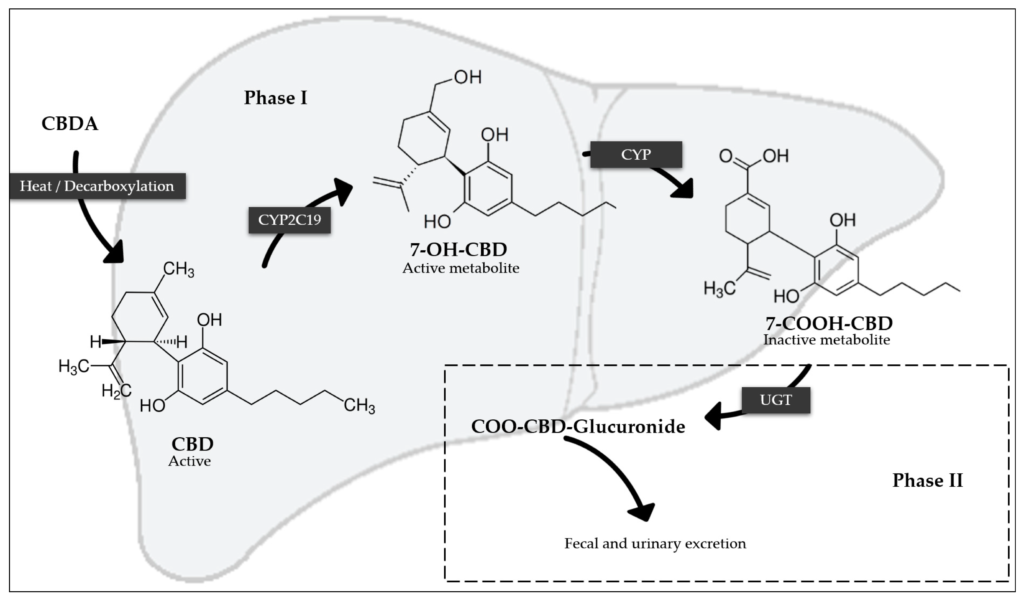
Once introduced into the body, CBD embarks on a complex biochemical journey. It is absorbed into the bloodstream, distributed across tissues, metabolized primarily in the liver, and eventually excreted. Each stage introduces variability that affects duration.
Absorption Pathways Explained
Oral Ingestion
CBD capsules and edibles pass through the digestive tract. Absorption is slower and subject to first-pass metabolism, reducing bioavailability but prolonging presence.
Sublingual Use
Tinctures placed under the tongue enter the bloodstream directly. This method accelerates onset while producing a moderate retention window.
Inhalation
Vaping or smoking CBD delivers rapid absorption through the lungs. Effects appear quickly but often dissipate sooner than oral forms.
Topical Application
Creams and balms act locally. Minimal systemic absorption means negligible impact on how long CBD stays in the body overall.
The Role of the Liver and Enzymatic Metabolism
CBD is metabolized by hepatic enzymes, particularly the cytochrome P450 system. These enzymes break CBD into metabolites, which are then prepared for elimination. Enzymatic efficiency varies widely among individuals.
Understanding Half-Life and Why It Matters
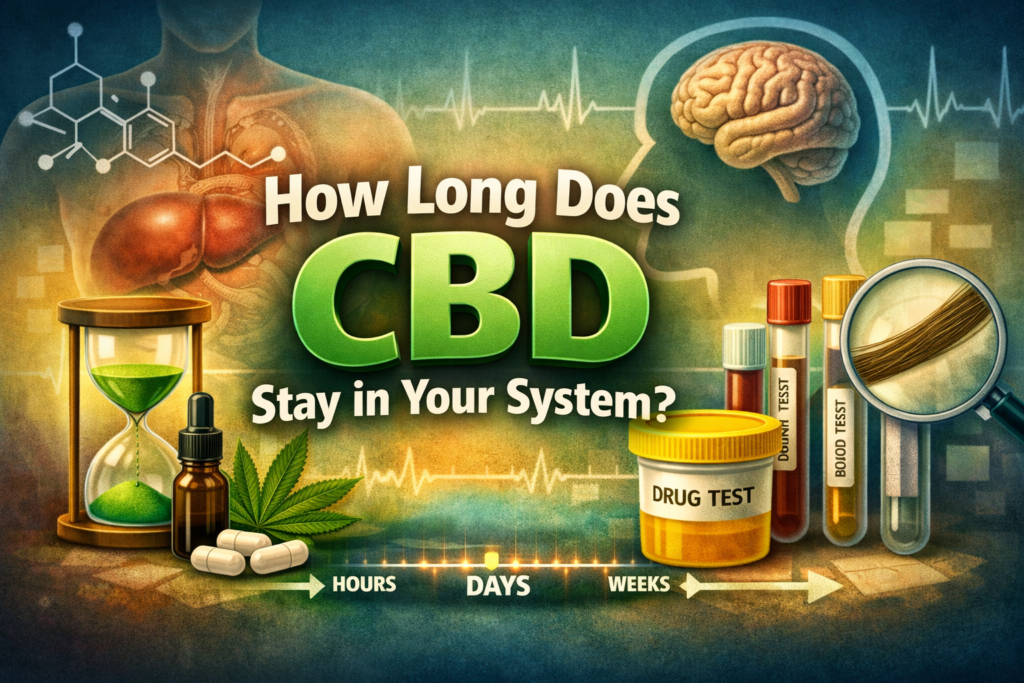
The half-life of CBD—the time required for half of the substance to be eliminated—ranges from approximately 18 to 32 hours after repeated use. Complete clearance typically requires several half-lives, extending the timeline to days rather than hours.
Average Detection Timeframes
For most users, CBD remains detectable for two to five days. In cases of heavy or chronic use, trace amounts may linger for a week or longer.
Single Use vs. Regular Use
A single dose is processed swiftly. Regular use, however, allows CBD to accumulate in fatty tissues, subtly extending its presence with each subsequent dose.
Dosage Size and Potency Effects
Higher doses introduce more CBD into circulation. Potent formulations naturally require more time for complete metabolic clearance.
Full-Spectrum vs. Broad-Spectrum vs. Isolate
Full-spectrum products contain trace cannabinoids, including minimal THC. Isolates contain only CBD. The formulation influences both metabolism and testing outcomes.
Body Fat Percentage and CBD Storage
CBD is lipophilic. It binds readily to fat cells, where it may reside temporarily before gradual release back into circulation.
12. Age, Genetics, and Metabolic Variability
Metabolic rate declines with age. Genetic polymorphisms in liver enzymes further diversify how efficiently CBD is processed from one person to another.
Hydration, Diet, and Lifestyle Factors
Adequate hydration supports renal excretion. Diets high in fat may enhance absorption, while physical activity can influence fat turnover and release.
CBD and Drug Testing: What Tests Look For
Standard drug tests screen for THC metabolites, not CBD. Pure CBD does not trigger positive results under typical testing protocols.
Can CBD Cause a Positive Drug Test?
In rare cases, full-spectrum products containing trace THC may accumulate enough metabolites to cross testing thresholds, particularly with heavy use.
Urine, Blood, Saliva, and Hair Testing Windows
Urine tests detect cannabinoids for several days. Blood and saliva windows are shorter. Hair tests, though uncommon, can reflect longer-term exposure.
Medical Conditions That Influence CBD Clearance
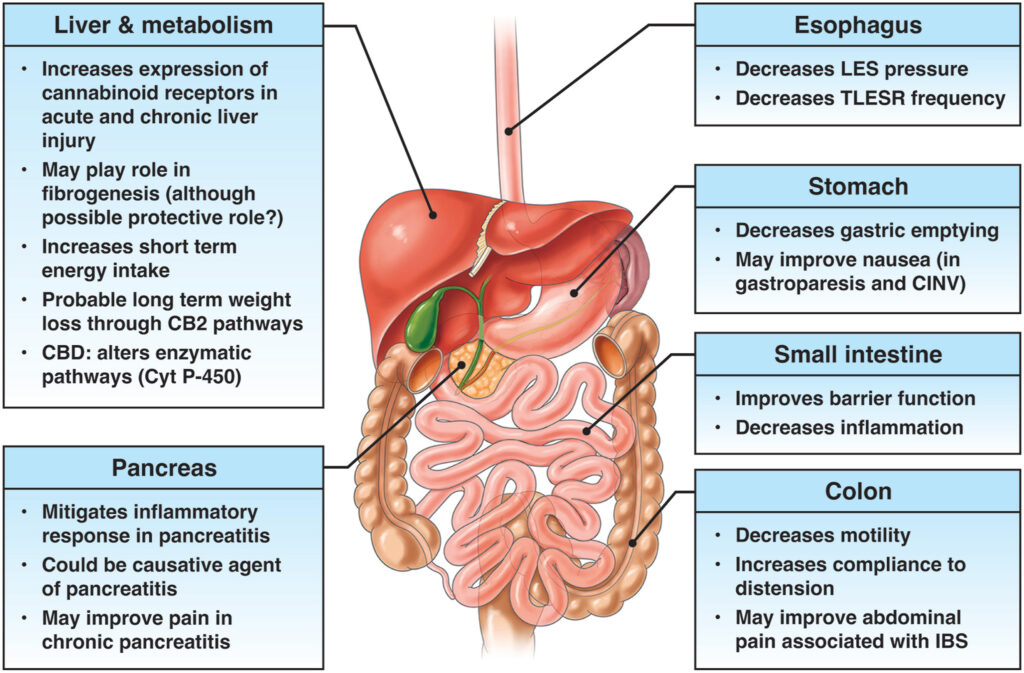
Liver impairment, metabolic disorders, and gastrointestinal conditions can slow processing and extend CBD’s systemic presence.
Medications That Interact With CBD Metabolism
CBD can inhibit certain liver enzymes, altering how both CBD and other medications are metabolized. This interaction may indirectly affect duration.
How to Clear CBD From Your System Faster (Myths vs. Reality)
Detox products offer little scientific merit. Time, metabolism, and cessation remain the only reliable variables influencing clearance.
Safety, Tolerance, and Long-Term Use Considerations
CBD is generally well tolerated. Long-term use does not equate to harm, but awareness of accumulation fosters informed consumption.
Legal and Workplace Implications
While CBD is legal in many jurisdictions, workplace policies may not differentiate between cannabinoids. Product choice and transparency matter.
Final Takeaways and Practical Guidance
CBD typically exits the system within a few days, though individual factors can extend this window. Understanding formulation, dosage, and personal physiology provides clarity, replacing uncertainty with informed confidence.