CBD gummies sound simple until the wrong question shows up: Could this still be in my system later? That concern is common among careful buyers who want to understand timing, testing, and THC before making CBD part of their routine. At CBDOils.pk, we believe customers need more than product hype, which is why we focus on clear education, dependable quality, and helping people choose CBD with fewer surprises.
Most readers searching this topic are not really asking how long a gummy feels active. They are asking whether traces can still be in the body days later, whether a work test could become a problem, and whether “CBD” on the label actually means low risk. That is a smarter question than most brands want to answer directly. Public sources consistently note that CBD can stay in the body from several hours to about a month depending on dose, route, and frequency of use, while gummy-specific consumer guidance says traces may remain for several days.
Quick Answer
For many people, CBD from gummies may remain in the system for several days, and sometimes longer with repeated use. Healthline reports that the half-life of CBD can range from about 1 hour to 5 days, and a systematic review found that after chronic oral administration, reported half-life figures have reached 2 to 5 days. Since substances are often considered largely cleared after about four to five half-lives, the timeline can stretch well beyond the few hours people actually feel the gummy working.
That is the first distinction this article has to make clearly: lasting in your system is not the same as lasting in your day. If that difference is blurred, the article fails the user.
Staying in Your System vs Feeling the Effects
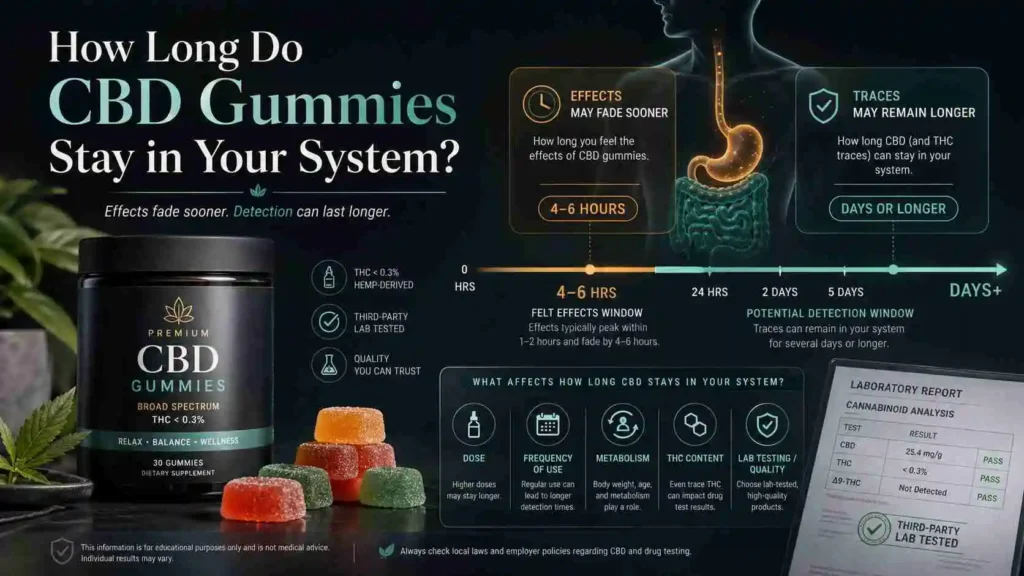
A gummy may feel active for only a limited part of the day, but detectable traces can stick around longer. Healthline’s gummy-specific explainer says the effects of CBD gummies typically last around 4 to 6 hours, while traces may stay in the body for several days and the half-life of gummies can be up to 5 days.
That is why someone in Lahore can take a gummy at night, feel normal by the next afternoon, and still be wrong to assume it is fully gone. Effects fading is one question. Detection and elimination are another. For readers who want the effects side explained separately, it makes sense to explore how long does a CBD gummy last after this section.
How Long Can CBD From Gummies Remain in the Body?
There is no single number that fits everyone. CBD stays in the body for different lengths of time depending on how often you use it, how much you take, how your body processes it, and whether the product contains other cannabinoids. Public reviews of CBD pharmacokinetics emphasize that oral CBD shows substantial variability, which is exactly why tidy one-line claims are usually too simplistic to trust.
For occasional users, the window may be shorter. For regular users, especially those taking oral CBD repeatedly, the timeline may stretch. Healthline’s broader overview says CBD can remain in the system from hours to about a month, depending on use pattern and method, while newer consumer medical summaries still describe a range from several hours to over a month.
If a reader wants a more general explanation beyond gummies, how long does CBD stay in your system.
What Changes the Timeline?
How often you take them
Frequency matters more than people think. One gummy taken once is not the same as repeated use over days or weeks. Repeated oral exposure can lengthen the time CBD remains in the body, which is one reason regular users should not rely on “my friend was fine after two days” as useful guidance.
The size of your dose
Dose also changes the picture. Larger amounts may take longer to clear, and public reviews repeatedly connect higher exposure with broader variability in elimination timing. This is why guessing from a label without knowing the actual cannabinoid content is weak thinking.
Your metabolism and body composition
Your body is part of the timeline. Metabolism, body composition, and individual physiology all influence how quickly cannabinoids are processed and eliminated. That means two people can take the same gummy on the same night and still have very different detection windows afterward.
Whether the gummy contains THC
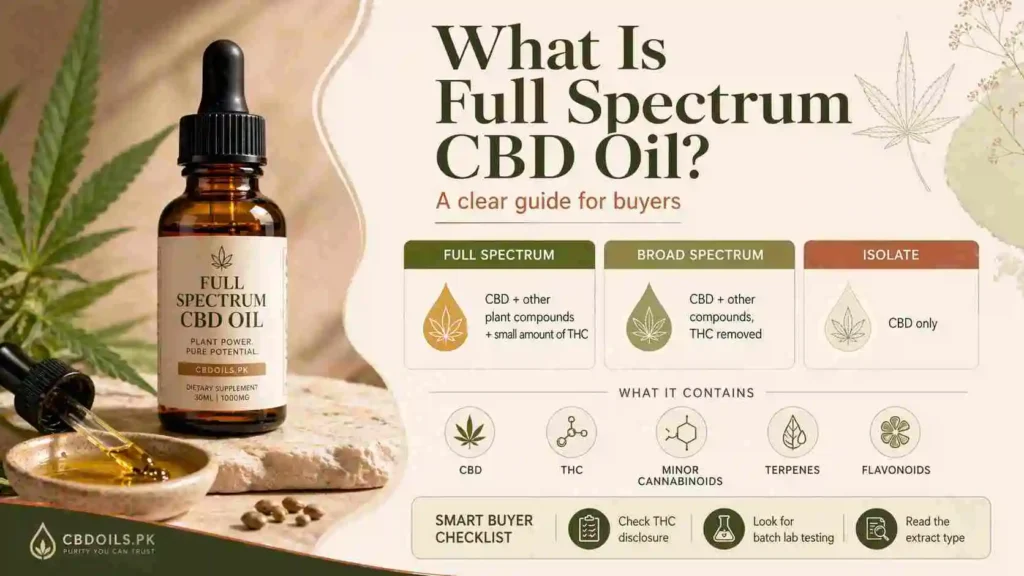
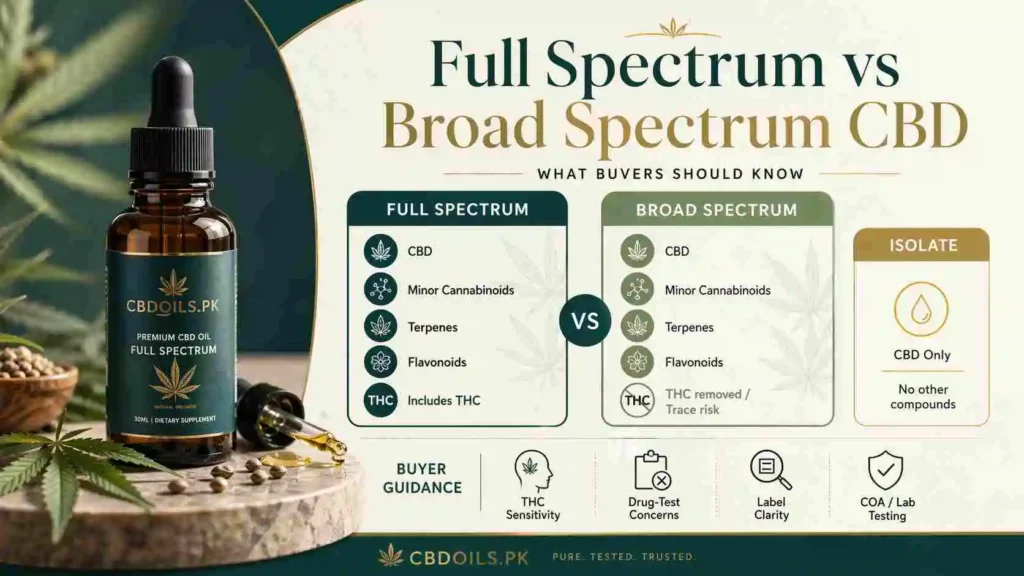
This is the part many buyers underestimate. A CBD gummy is not automatically a THC-free gummy. Some products are full-spectrum and may contain THC, some are broad-spectrum, and some are isolate-based. Once THC enters the equation, the risk profile changes fast, especially around drug testing. Consumer health sources consistently warn that CBD products may still trigger problems if they contain trace or mislabeled THC. do CBD gummies have THC, because many readers asking about detection time are really asking about THC exposure without saying it directly.
Can CBD Gummies Affect a Drug Test?
Pure CBD itself is generally not the main target of standard workplace drug tests. The problem is THC. Verywell Health explains that people using CBD can still fail a drug test because many products contain trace THC, more THC than expected, or inaccurate labeling. The FDA also warns that there are still major unanswered questions around the safety and quality of CBD products on the market.
That means the honest answer is not “CBD never shows up.” The honest answer is harsher: badly labeled or full-spectrum products can create real test risk, and too many buyers find that out late.
This is especially relevant in local buying situations where customers may order online in Karachi or Rawalpindi and rely on a product page, a reseller message, or a screenshot of an old lab report. That is not a reliable quality system. It is wishful thinking with consequences.
Why THC Changes Everything
If a gummy contains THC, even in small amounts, detection time can extend far beyond the period when the gummy’s calming effect is noticeable. Medical News Today notes that cannabis can be detectable in urine for 1 to 30 days, depending on usage pattern, and other consumer medical summaries say THC can remain detectable for days or weeks, especially in frequent users.
That is why this topic is not just about CBD chemistry. It is about formulation honesty. A person may believe they are taking “just CBD,” but if the gummy is full-spectrum, contaminated, or mislabeled, they may be exposing themselves to a completely different testing risk than they intended. Recent forensic literature continues to flag the problem of unintended cannabinoid findings from CBD and hemp products marketed as THC-free.
How to Lower the Risk of Surprises
There is no honest way to promise zero drug-test risk if a product may contain THC. Anyone saying otherwise is selling, not educating. What you can do is lower the odds of nasty surprises.
Start with the label, but do not stop there. Check whether the product is full-spectrum, broad-spectrum, or isolate. Review a recent third-party Certificate of Analysis. Make sure cannabinoid amounts are clearly listed. Be more cautious with frequent use, because regular oral exposure can lengthen how long cannabinoids remain in the body.
This is where readers should also be pointed toward third-party lab testing CBD, because “lab tested” means nothing if the report is missing, outdated, incomplete, or impossible to verify.
Why Lab Testing Matters Before You Buy
Lab testing is not just a trust badge for the website footer. It is the thing that tells a cautious buyer whether the gummy contains the cannabinoids it claims, whether THC is present, and whether the product is even worth considering. FDA consumer guidance makes clear that the agency still has major concerns about CBD product quality and safety, and consumer reporting continues to show that labeling accuracy has been a real issue in the market.
At CBDOils.pk, the stronger position is not to promise miracles. It is to make product quality easier to judge, so customers can understand what they are taking and why that matters.
Final Takeaway
CBD gummies can stay in your system for several days, and in some cases much longer, depending on dose, frequency, metabolism, and product formulation. The gummy may stop feeling active long before your body fully clears the cannabinoids.