If you are trying to choose between CBD and CBN, you are probably stuck in the same place as a lot of first-time buyers in Pakistan: one product claims calm, another claims sleep, and half the market throws around fancy cannabinoid terms without explaining what actually matters. That confusion gets worse when labels are vague, THC content is unclear, and brands oversell benefits. At CBDOils.pk, we focus on raw, organic CBD education and quality-first product guidance, so readers can sort hype from substance and make a safer, smarter choice.
Let’s be real—most people searching “CBN vs CBD” are not looking for a chemistry lecture. They want to know one thing: which one should I use, and what should I watch out for?
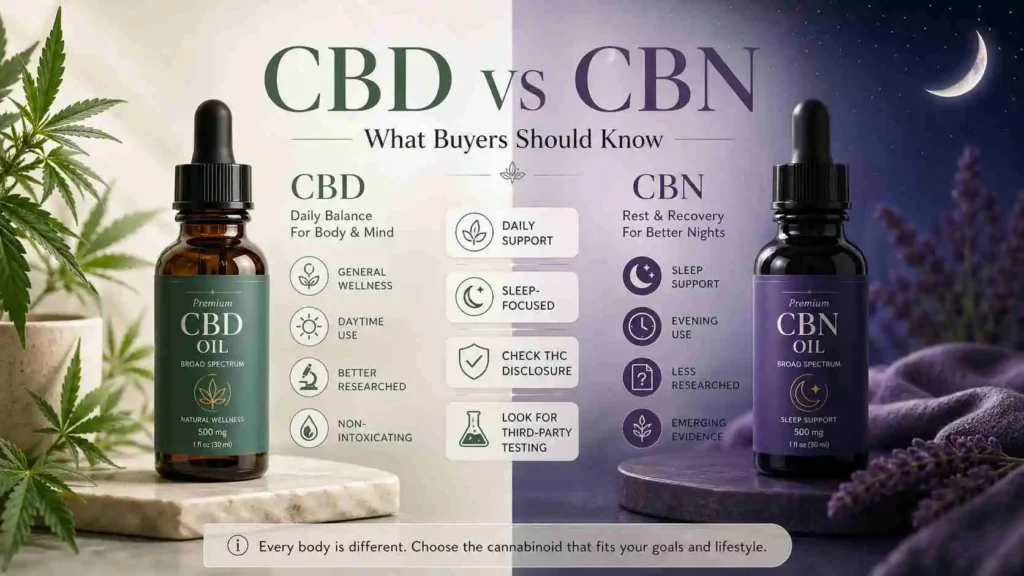
Here’s the short version. CBD is the better-known cannabinoid with much broader research behind it. CBN is far less studied, but it is commonly marketed for sleep support. Both are different from THC, and CBD does not cause the classic cannabis “high.” CBN also appears much less intoxicating than THC, but it is still not as well understood as CBD, which is exactly why buyers need to be more careful with product quality and claims.
Quick Answer: CBN vs CBD at a Glance
CBD is usually the better fit for people looking for general daily support, especially around calm, recovery, and overall wellness. It is more widely available, more researched, and easier to compare across products.
CBN is usually discussed as a nighttime cannabinoid because early studies and current product marketing both lean hard into sleep. But the evidence is still developing, and too many brands treat “promising” like “proven.” That is bad science and worse consumer guidance.
What Is CBD?
CBD stands for cannabidiol, a cannabinoid found in cannabis and hemp. It is non-intoxicating, which means it does not produce the euphoric high associated with THC. CBD has drawn the most attention for areas like seizures, anxiety-related symptoms, pain, inflammation, and general wellness support, though product claims in the market often run ahead of the evidence. The strongest regulatory-backed use of CBD is still limited, and safety questions remain, especially around drug interactions and liver-related concerns.
If you want a deeper beginner-friendly explanation, read What Is CBD Oil in Pakistan? and How CBD Oil Works in the Body.
What Is CBN?
CBN stands for cannabinol. Unlike CBD, CBN is usually formed as THC ages and breaks down over time. That origin matters because it explains why CBN is often linked to older cannabis material and why people commonly associate it with more relaxing or sleep-focused products. But here is the problem: the internet treats CBN like a settled sleep solution, while the actual evidence base is still much thinner than CBD’s.
CBN vs CBD: The Biggest Differences That Actually Matter
1) They come from the plant differently
CBD is a major cannabinoid that producers can extract more directly and reliably. CBN is typically created through THC degradation, which makes it less straightforward and often less abundant. That affects availability, formulation, and pricing.
2) They are used for different goals
CBD is commonly chosen for everyday wellness, staying balanced, and broader support. CBN is more often positioned for evening use and sleep routines. That does not mean CBN automatically works better. It means the market has pushed it into that role, and some newer studies suggest it may help sleep, but the science is still catching up.
3) CBD has the stronger research base
This is one of the most important points in the article because it directly answers search intent. CBD has far more human research than CBN. That does not make CBD perfect. It makes it less of a black box. CBN remains promising, especially for sleep, but not nearly as established.
4) The timing of use is often different
A practical rule works well here. Many people use CBD during the day because it is not typically chosen for heavy sedation. CBN products, especially gummies and oils aimed at sleep, are more often used in the evening. In real life, that distinction matters more to buyers than receptor talk.
Does CBN or CBD Get You High?
CBD does not produce the classic intoxicating high linked to THC. That is one reason it became so popular among people who want support without feeling impaired.
CBN is trickier. It is generally described as much less intoxicating than THC, but because it is less researched and often appears in products alongside other cannabinoids, consumers should not assume every CBN product will feel exactly the same. The real-world risk is not just the cannabinoid itself. It is poor labeling, hidden THC, and weak quality control. In unregulated or loosely controlled markets, that becomes a serious buying problem.
For readers comparing cannabinoids more broadly, CBD vs THC.
Is CBN Better for Sleep Than CBD?
This is the question driving a lot of search traffic, and the honest answer is: possibly, but don’t oversell it.
There is growing evidence that CBN may help with sleep-related outcomes, including fewer nighttime awakenings in some controlled research. But that does not justify the lazy content claim that CBN is the “sleep cannabinoid” and end of story. The better explanation is that CBN looks promising for sleep, while CBD may help some people more indirectly by supporting relaxation or easing the factors that make rest harder.
That distinction matters. Someone in Lahore dealing with racing thoughts before bed may look at the same gummy as someone in Islamabad struggling with a broken sleep schedule after night shifts, but their needs are not identical. A sleep claim without context is weak content. Good content explains the use case.
CBD vs CBN for Stress, Pain, and Daily Wellness
For general daytime support, CBD is still the more practical choice because it is more studied and more widely used for broad wellness goals. CBN has not earned that same position yet. So if the reader’s question is not specifically about nighttime use, the answer usually tilts toward CBD first.
You can reinforce this section with a Benefits of CBD Oil.
Side Effects, Drug Interactions, and Safety Warnings
This is where many competitor blogs become reckless. They act like “natural” means “risk-free.” It doesn’t.
NCCIH and the FDA both warn that CBD can cause side effects and may interact with other medications. Reported concerns include sleepiness, diarrhea, changes in appetite, liver-related issues, and interactions that may increase or reduce the effects of other drugs. That is especially relevant for people taking sleep medications, anxiety medications, seizure medications, or anything metabolized through pathways CBD may affect.
CBN is less studied, so the absence of a long side-effect list should not be mistaken for proof of safety. It usually means there is still not enough data. That is a major difference between known risk and poorly mapped risk. Too many brands blur that line because it helps sales.
How to Choose Between CBN and CBD
Use this simple framework:
Choose CBD if:
- you want general daily wellness support
- you want a better-studied option
- you are comparing oils for routine daytime use
- you are looking for a starting point before exploring niche cannabinoids
Choose CBN if:
- your main goal is nighttime support
- you are specifically exploring sleep-focused formulations
- you understand that evidence is still emerging
- you are buying from a brand that provides real testing, not just marketing
Consider both together if:
- the formula is clearly labeled
- the dose is transparent
- THC content is disclosed
- you have checked for drug interactions first
How to Read a CBD or CBN Product Label Before You Buy
This part should rank well because it solves a real buyer problem.
Before buying any CBD or CBN oil, check:
- the exact cannabinoid amount per serving
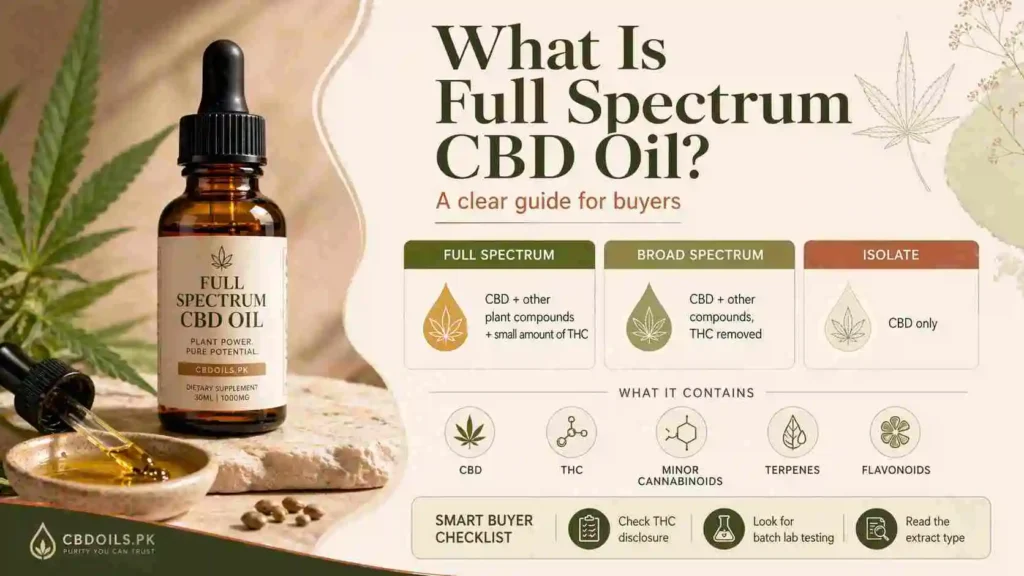
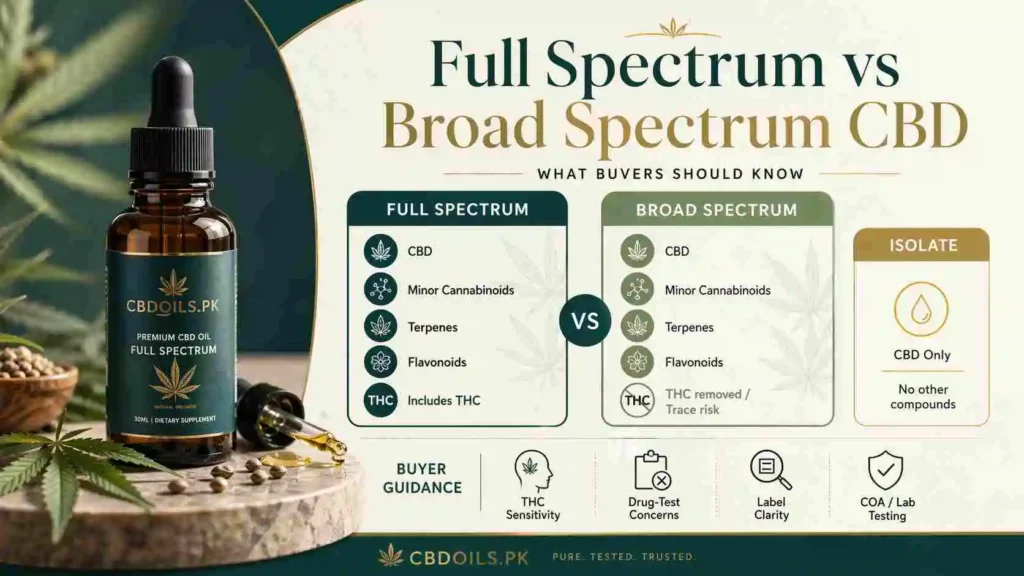
- whether the product is full-spectrum, broad-spectrum, or isolate
- whether THC is disclosed clearly
- a recent third-party Certificate of Analysis
- batch testing for contaminants
- matching label claims and lab results
Why so strict? Because mislabeling in the CBD market is not a minor issue. A 2017 JAMA study found major label inaccuracies in CBD products sold online, and later research continued to find problems with labeling and detectable THC in products advertised in ways that could mislead buyers.
That matters even more in markets where shoppers may order online and rely on screenshots, reseller claims, or partial lab reports sent on WhatsApp. Too many people spend good money on a bottle that either contains less than promised, more than promised, or something they were never trying to take in the first place.
At CBDOils.pk, the smarter position is not “trust us because we said so.” It is: buy only what is clearly labeled, tested, and explained in plain language. That is how trust is built.
Can You Take CBD and CBN Together?
Yes, many products combine them, especially for evening routines. But “can be combined” is not the same as “everyone should combine them.” Start low, pay attention to how you respond, and be more cautious if you take other medications or need to avoid drowsiness the next morning. Emerging studies have looked at CBN both alone and alongside CBD for sleep, but the combination is not automatically superior in every case.
Final Takeaway
CBD and CBN are not interchangeable. CBD is the more researched, more versatile choice for general use. CBN is the more sleep-centered option, but with a much thinner evidence base. If your goal is overall balance, CBD usually makes more sense as a first stop. If your main issue is nighttime rest, CBN may be worth exploring, but only with realistic expectations and careful product screening.
And one last truth most brands avoid: the wrong product is not always the one with the “wrong cannabinoid.” Sometimes it is the one with the wrong label, weak testing, or hidden THC. That is why quality and transparency matter as much as the cannabinoid name on the front of the bottle.