CBD, or cannabidiol, has become a widely popular wellness product in recent years, praised for its potential to relieve pain, anxiety, and promote general well-being. However, for many, especially those who are subject to drug tests—whether for work or legal reasons—the question remains: Will CBD cause a failed drug test? This article aims to provide clarity on the relationship between CBD use and drug testing, exploring the various factors at play.
What is CBD?
Definition and Source of CBD
CBD is a naturally occurring compound found in cannabis plants, primarily hemp. Unlike THC (tetrahydrocannabinol), which is the psychoactive component of cannabis, CBD is non-intoxicating and is typically used for its potential therapeutic effects. CBD is extracted from the hemp plant and can be formulated into various products such as oils, creams, edibles, and capsules.
Differences Between CBD and THC
While CBD and THC are both cannabinoids derived from cannabis, their effects on the body are vastly different. THC is responsible for the “high” associated with marijuana use, whereas CBD does not induce any intoxicating effects. It is important to note that while CBD is legal in many areas, THC is still heavily regulated due to its psychoactive properties.
How Does CBD Work in the Body?
Endocannabinoid System and CBD Interaction
CBD interacts with the body’s endocannabinoid system (ECS), which helps regulate a range of bodily functions such as mood, pain sensation, appetite, and sleep. By influencing the receptors in this system, CBD may provide various benefits, including pain relief, reduced anxiety, and improved sleep quality.
CBD’s Potential Benefits and Effects
Though research is still in its infancy, preliminary studies suggest that CBD may have potential as a treatment for conditions like chronic pain, epilepsy, and anxiety. However, its ability to produce these effects can vary from person to person.
The Types of CBD Products
Full-Spectrum CBD
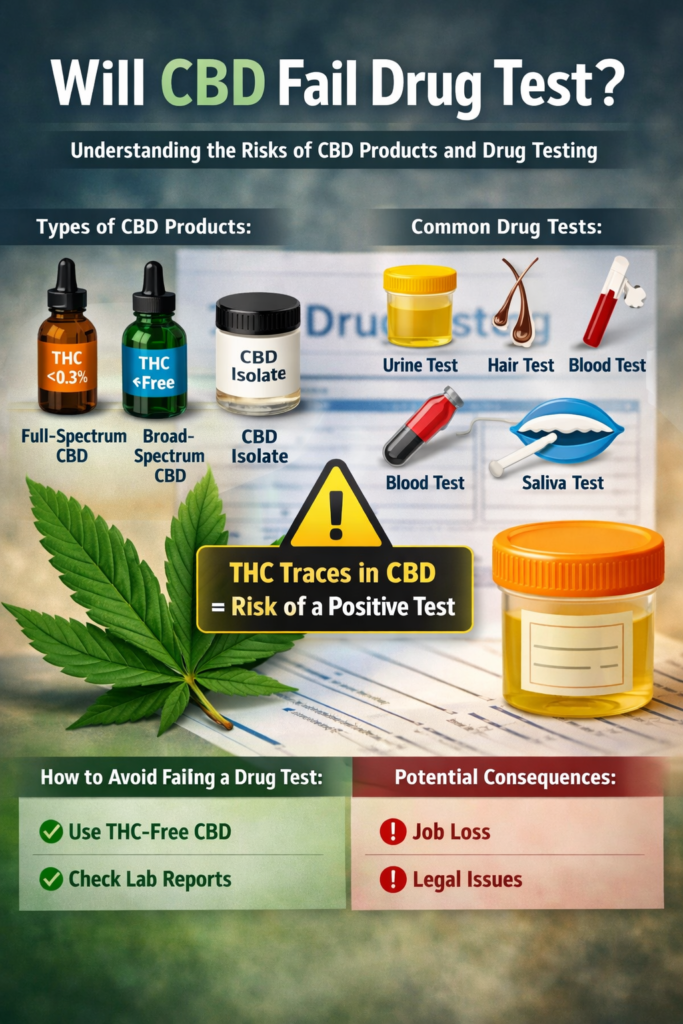
Full-spectrum CBD contains a variety of cannabinoids, including CBD, THC, and other compounds found in the hemp plant. While it is considered more effective due to the “entourage effect” (where cannabinoids work synergistically), it does contain trace amounts of THC, which could potentially show up in a drug test.
Broad-Spectrum CBD
Broad-spectrum CBD is similar to full-spectrum but has undergone additional processing to remove all traces of THC. It is often seen as a safer option for those concerned about drug testing, as it retains other beneficial cannabinoids and terpenes but without THC.
CBD Isolate
CBD isolate is the purest form of CBD, with all other cannabinoids and compounds removed. It contains no THC and is the most likely to be safe from causing a failed drug test, as long as it’s truly pure CBD.
CBD and Drug Tests: A Common Concern
Drug Testing Overview
Drug tests, particularly in the workplace, are a standard procedure used to detect the presence of illicit substances. Most drug tests focus on detecting THC, which can remain in the system for days or even weeks depending on usage.
The Different Types of Drug Tests
Drug tests can vary in type, with urine tests being the most common. Other types include blood tests, hair follicle tests, and saliva tests. Each test has a different sensitivity to THC, the main concern for those using CBD products.
Can CBD Be Detected in a Drug Test?
THC Presence in CBD Products
Despite CBD’s non-psychoactive nature, many CBD products contain trace amounts of THC, the active ingredient in marijuana. Although these levels are often below the legal limit (0.3%), they can accumulate in the system and result in a positive drug test.
How Sensitive Drug Tests Are to THC
Most drug tests are designed to detect THC metabolites, not CBD itself. However, if a CBD product contains enough THC, it may trigger a positive result, especially with frequent or high-dose usage.
Full-Spectrum CBD and Drug Tests
THC Content in Full-Spectrum CBD
Full-spectrum CBD products contain up to 0.3% THC, which is the legal threshold for hemp-derived products. While this amount is not enough to cause intoxication, it could still accumulate in the body and lead to a failed drug test, especially with prolonged use.
Potential for a Positive Drug Test
Frequent use of full-spectrum CBD could lead to a buildup of THC in the system, increasing the risk of a positive drug test. It’s crucial for individuals subject to drug testing to be aware of the THC content in these products.
Broad-Spectrum CBD and Drug Tests
Absence of THC in Broad-Spectrum CBD
Broad-spectrum CBD products are often touted as the safest choice for individuals concerned about drug tests because they contain no THC. These products retain other beneficial cannabinoids and terpenes, but without the psychoactive effects or the risk of testing positive for THC.
Why It’s Less Likely to Fail a Drug Test
Since broad-spectrum CBD contains no THC, it is unlikely to cause a failed drug test. However, it’s still essential to ensure the product is from a reputable source and undergoes third-party lab testing for purity.
CBD Isolate and Drug Tests
What Is CBD Isolate?
CBD isolate is a refined form of CBD that contains only pure cannabidiol, with no THC, terpenes, or other cannabinoids. This makes it the safest option for individuals worried about drug testing.
Risk of Failing a Drug Test with CBD Isolate
The risk of failing a drug test with CBD isolate is minimal, provided the product is of high quality and truly contains no THC. However, as with any supplement, the risk lies in product mislabeling or contamination.
Factors That Can Lead to a Failed Drug Test
Dosage and Frequency of Use
The more frequently you use CBD, the higher the likelihood that THC may accumulate in your system. High doses of full-spectrum CBD, in particular, increase the risk of exceeding the legal THC limit for drug tests.
Quality of the CBD Product
Not all CBD products are created equal. Products from unreliable sources may contain higher levels of THC than advertised, making them more likely to cause a failed drug test. Purchasing from reputable brands with third-party lab testing is crucial.
The Importance of Product Transparency
Third-Party Lab Testing
Third-party lab testing is essential to ensure the purity and potency of CBD products. Labs test for both CBD and THC levels, providing consumers with reliable data on what’s in the product they’re consuming.
Product Labels and Certifications
Carefully reading product labels can help you avoid CBD products that may contain unlisted THC. Look for certifications and test results from reputable labs to confirm the product’s composition.
What Drug Tests Are Most Commonly Used?
Urine Tests
Urine tests are the most common form of drug testing and can detect THC for up to several days after use, depending on the frequency and quantity of consumption.
Blood Tests
Blood tests are less common but are more sensitive than urine tests. THC can be detected in the bloodstream for a few hours to a few days after consumption.
Hair Follicle Tests
Hair follicle tests can detect THC use over a longer period (up to 90 days) and are generally more accurate, though they are less commonly used for CBD testing.
Saliva Tests
Saliva tests are typically used for roadside checks and can detect recent THC use, usually within a few hours to a couple of days.
What Happens if You Fail a Drug Test Because of CBD?
Consequences in the Workplace
Failing a drug test due to CBD use can have serious consequences, especially in workplaces with strict drug policies. This could result in disciplinary actions or even termination.
Legal Implications
In some jurisdictions, testing positive for THC may lead to legal consequences, particularly for individuals who are subject to certain regulatory standards.
How to Avoid Failing a Drug Test While Using CBD
Choosing the Right CBD Product
To avoid failing a drug test, it’s important to choose products with zero THC, such as CBD isolate or broad-spectrum CBD. Always check for third-party lab results and ensure the product is within legal THC limits.
Understanding THC Levels in CBD
If you prefer full-spectrum CBD for its potential entourage effect, make sure to monitor the THC content closely and use the product sparingly. Start with small doses and increase only if necessary.
Is It Safe to Use CBD for Drug-Tested Individuals?
Considerations for Athletes and Professionals
For athletes or professionals who undergo regular drug tests, using THC-free CBD products is crucial. Consulting with a healthcare provider before using CBD can also provide additional guidance.
Recommendations from Experts
Experts generally recommend using broad-spectrum CBD or CBD isolate to minimize the risk of testing positive for THC. Always purchase from trusted brands with clear product labeling.
What Do the Experts Say About CBD and Drug Testing?
Medical Perspectives on CBD Use
Medical experts largely agree that while CBD itself does not cause impairment, individuals should still be cautious about the THC content in the products they use, particularly if they are subject to drug testing.
Employer and Testing Agency Views
Employers and testing agencies may not differentiate between CBD and THC, as both are cannabis-derived. This lack of distinction can make it challenging for individuals to use CBD without risking a positive drug test.
CBD for Medical Use: Special Considerations
CBD and Prescription Medications
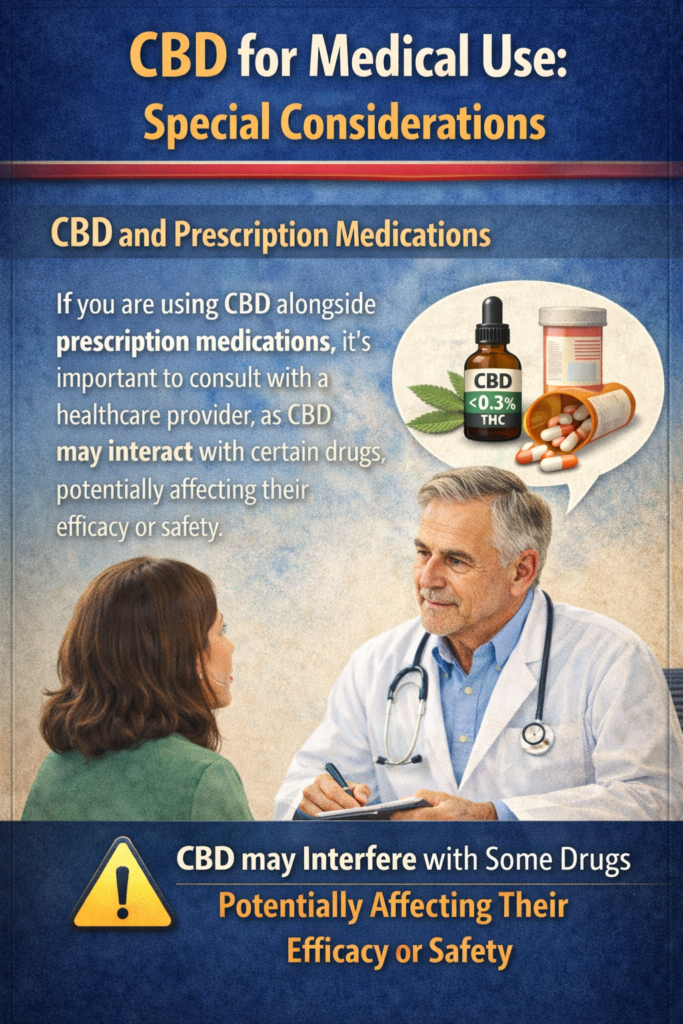
If you are using CBD alongside prescription medications, it’s important to consult with a healthcare provider, as CBD may interact with certain drugs, potentially affecting their efficacy or safety.
How to Discuss CBD Use with Healthcare Providers
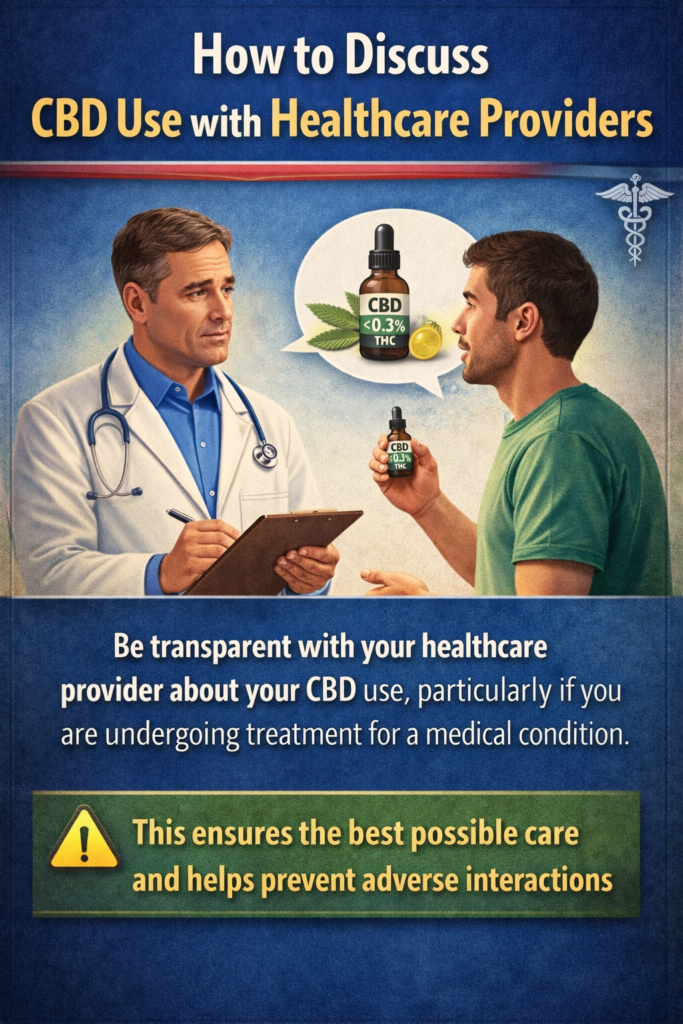
Be transparent with your healthcare provider about your CBD use, particularly if you are undergoing treatment for a medical condition. This ensures the best possible care and helps prevent adverse interactions.
Legal Status of CBD in the United States
Federal and State Regulations
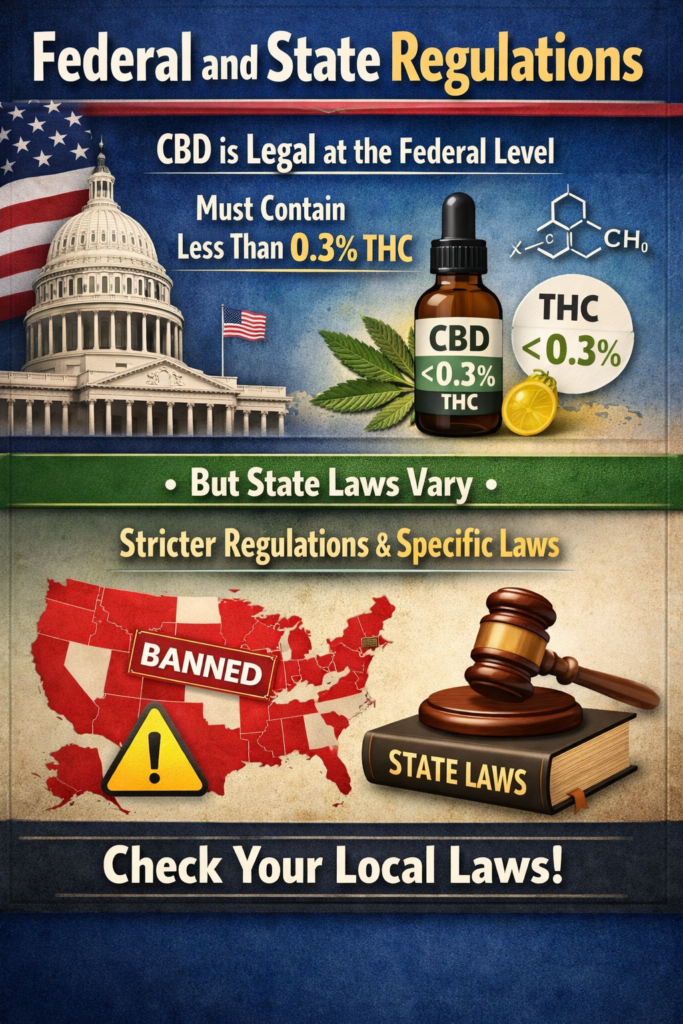
CBD is legal at the federal level in the U.S., as long as it contains less than 0.3% THC. However, individual states may have stricter regulations or specific laws governing CBD products.
How Legal Status Affects Drug Testing
While CBD is legal, the legal status of cannabis and THC varies by jurisdiction. This can impact drug testing policies, especially in states where marijuana is still illegal.
Alternatives to CBD for Drug-Tested Individuals
Non-THC Cannabinoids
For those who are wary of drug tests, non-THC cannabinoids like CBG (cannabigerol) and CBN (cannabinol) offer potential benefits without the risk of THC detection.
Other Natural Supplements
Natural alternatives like turmeric, ginger, and ashwagandha may provide similar wellness benefits without the concerns related to drug testing.
Conclusion
CBD use does carry some risk for drug-test failures, especially for individuals who use full-spectrum products with trace amounts of THC. However, by choosing THC-free alternatives such as broad-spectrum CBD or CBD isolate, and by ensuring transparency through third-party lab testing, users can mitigate these risks. It’s always best to approach CBD with caution, especially if you are subject to regular drug testing