
CBD gummies have rapidly become a popular method of consuming cannabidiol. These small, chewy confections combine convenience, taste, and wellness benefits in a single, enjoyable bite. Unlike oils or tinctures, gummies offer a discreet and familiar way to integrate CBD into daily routines. For readers who are new to this product category, it also helps to understand how many CBD gummies you should take before making gummies part of a daily routine.
What Are CBD Gummies?
CBD gummies are edible candies infused with cannabidiol, a non-psychoactive compound derived from hemp. They come in a variety of flavors, shapes, and dosages, allowing users to tailor consumption to their preferences. One important question many first-time users ask is whether gummies contain THC, especially when choosing between full-spectrum, broad-spectrum, and isolate formulas. That topic is worth reviewing in more detail here: Do CBD Gummies Have THC?
Benefits of CBD Gummies
Ease of Consumption
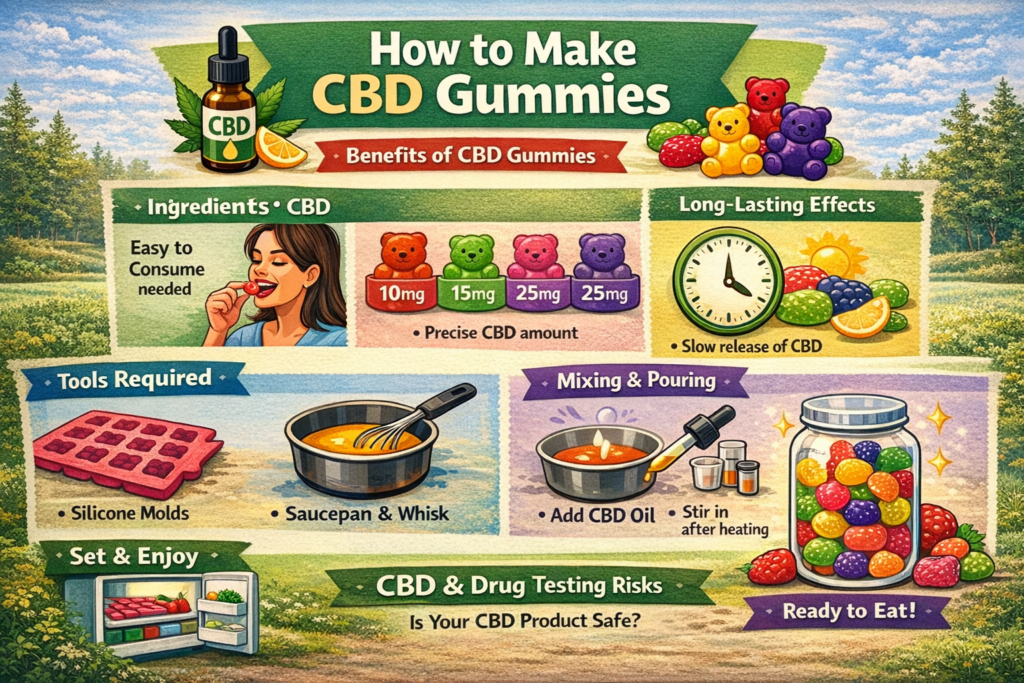
Unlike oils that require measuring or tinctures under the tongue, gummies are simple to eat, with no tools required.
Controlled Dosage
Each gummy contains a precise amount of CBD, making dosage more predictable and consistent. If dosage is still unclear, readers can also review a more detailed CBD dosage guide to understand how serving strength can vary by user and product type.
Long-Lasting Effects
CBD in edible form metabolizes slowly, providing longer-lasting effects compared to inhalation or sublingual methods.
Understanding CBD Oil
Full-Spectrum vs Broad-Spectrum vs Isolate
Full-spectrum oil contains all cannabinoids, including trace THC. Broad-spectrum offers multiple cannabinoids but no THC, while isolates are pure CBD. The right choice depends on the user’s preferences, desired experience, and comfort level with THC exposure.
Quality Indicators in CBD Oil
Look for third-party lab testing, organic cultivation, and clear extraction methods. Quality oil plays a major role in producing safe and effective gummies. Before choosing any oil for homemade or commercial gummies, readers should understand why third-party lab testing for CBD matters so much.
Ingredients Needed for CBD Gummies
CBD Oil or Tincture
This is the primary ingredient, and potency will dictate how much oil to use per batch.
Gelatin or Pectin
Gelatin is traditional, while pectin creates a vegan-friendly option.
Sweeteners and Flavors
Honey, agave, or sugar can improve taste. Fruit extracts, citrus, or natural flavoring provide variety.
Fruit Juice or Purees
These add natural flavor and color. Concentrated juice usually gives a stronger taste.
Optional Additives (Vitamins, Terpenes)
Some users include vitamin C or botanical terpenes to enhance flavor complexity or broaden the overall formula.
Tools and Equipment Required
Silicone Molds
Flexible, non-stick molds are useful for shaping gummies evenly.
Saucepan and Mixing Utensils
A non-stick saucepan and silicone spatula help with even heating and mixing.
Measuring Tools
Accurate measurements are essential for maintaining consistent texture and reliable dosage.
Preparing the Base Mixture
Heating Ingredients Without Degrading CBD
CBD is sensitive to high temperatures, so ingredients should be heated gently to avoid reducing potency.
Combining Gelatin or Pectin With Liquids
Mix slowly to prevent clumps. Gelatin should dissolve fully for a smooth texture.
Adding Sweeteners and Flavors
Add sweeteners early for even distribution. Natural flavors are better added later so aroma and taste stay stronger.
Incorporating CBD Oil
Proper Dosage Calculation
Determine the total CBD in the batch, then divide it by the number of gummies to calculate the amount per piece. This step matters because uneven dosage is one of the most common mistakes in homemade gummies. Readers who want a broader dosing framework can refer again to the CBD dosage guide.
Timing of Adding CBD
Add CBD after removing the mixture from direct heat. This helps preserve potency and prevents unnecessary degradation.
Pouring Mixture Into Molds
Carefully pour the warm mixture into molds. Pour slowly and tap the molds gently to reduce air bubbles and improve consistency.
Setting and Cooling Process
Refrigeration vs Room Temperature
Gummies usually set in 30 to 60 minutes in the refrigerator. Room temperature setting takes longer but may help keep a softer texture.
Ensuring Consistent Texture
Avoid disturbing the molds during setting so the gummies hold their shape and do not develop sticky surfaces.
Demolding Gummies
Tips for Easy Removal
Flexible silicone molds make it easier to remove gummies without tearing or deforming them.
Preventing Stickiness
Store gummies in a cool, dry place or coat them lightly if needed to reduce clumping.
Storing Your CBD Gummies
Shelf Life Considerations
Homemade gummies generally last 2 to 3 weeks in the refrigerator. Preservatives may extend shelf life, but many homemade recipes are best kept simple.
Storage Containers and Conditions
Use airtight containers and keep gummies away from heat, moisture, and direct light to maintain potency and texture.
Understanding Dosage Per Gummy
Accurate dosing is essential for effectiveness. Each gummy should deliver a measured amount of CBD so the user can maintain consistency from one serving to the next. This is especially important for beginners who may be unsure how many CBD gummies they should take when starting with edibles.
Potential Side Effects to Consider
CBD is generally considered well tolerated, but some users may notice fatigue, digestive discomfort, or changes in appetite. Starting with a lower serving is often the safer approach.
Legal Considerations for CBD Edibles
Users should always review local laws regarding hemp, CBD, and THC content. Legal compliance often depends on how much THC is present in the product, which is why it is useful to understand whether CBD gummies have THC before buying or making them.
Experimenting With Flavors
From tart citrus to sweet berry blends, flavor combinations can make gummies more enjoyable and more appealing to different users.
Vegan or Allergen-Free Options
Using pectin instead of gelatin and choosing suitable sweeteners can make gummies more accessible for people with dietary restrictions.
Common Mistakes When Making CBD Gummies
Overheating CBD, miscalculating dosage, using weak-quality oil, or skipping proper cooling can affect both texture and potency. These mistakes become more likely when the oil itself is not well tested, which is why reliable third-party lab testing for CBD should never be ignored.
Advanced Techniques for Professional Gummies
Adding terpenes, building layered flavors, or creating sugar-coated finishes can make gummies more appealing for boutique or commercial presentation.
Conclusion: Enjoying Homemade CBD Gummies Safely
Making CBD gummies at home gives users more control over ingredients, flavor, and dosage. When prepared carefully, they can offer a convenient and enjoyable way to use CBD. The smartest approach is to combine careful preparation with better product knowledge, especially around dosage, THC content, and lab verification.